PRESENCE: the European project redefining the future of XR
Within the landscape of European innovation, PRESENCE stands out as one of the most ambitious projects dedicated to transforming immersive experiences. Its goal is simple to describe yet extremely complex to achieve: bringing the feeling of “truly being there” in virtual environments to a level never reached before.
To achieve this, the project combines advanced research and emerging technologies in three key directions: hyper-realistic XR interactions, high-fidelity holoportation, and haptic systems capable of reproducing the sense of touch. Added to this is the development of believable virtual humans, avatars, and digital agents able to sustain natural conversations and behaviors.
The expected outcome is a more human, more sensory, and more effective XR ecosystem, designed to revolutionize sectors such as professional training, remote collaboration, the creative industry, and industrial applications.
Immersive collaboration in Virtual Reality: the new paradigm of shared work
The growing geographical distribution of teams, the need to shorten decision-making times, and the increasing complexity of products are pushing many organizations to rethink how they collaborate. In this context, Virtual Reality (VR) collaboration solutions represent a natural evolution: shared, immersive, and interactive environments that allow remote participants to work as if they were in the same room.
A virtual meeting room for distributed teams
VR makes it possible to recreate three-dimensional workspaces where multiple users can meet, discuss, analyze data, or evaluate prototypes. Key advantages include:
- simultaneous presence of participants from anywhere
- elimination of travel costs and time
- greater operational continuity, with meetings organized on short notice
- a stronger sense of co-presence compared to traditional videoconferencing
The feeling of “being together” improves communication quality and accelerates decision-making.
Integrated collaborative tools
Within VR environments, users can access tools designed to facilitate teamwork:
- virtual whiteboards for notes, diagrams, and brainstorming
- information panels to share data, images, or documentation
- markup tools to highlight elements or propose changes
These tools replicate the dynamics of a physical meeting, enhanced by digital flexibility.
Manipulation of 3D models and virtual prototyping
One of the most powerful aspects of VR collaboration is the ability to interact with three-dimensional models:
- visualization of full-scale prototypes
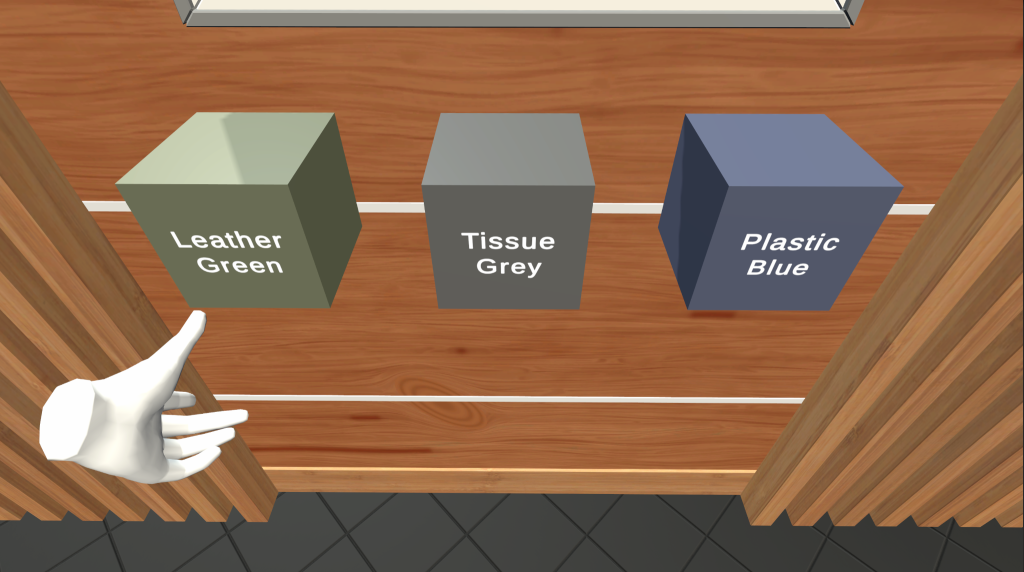
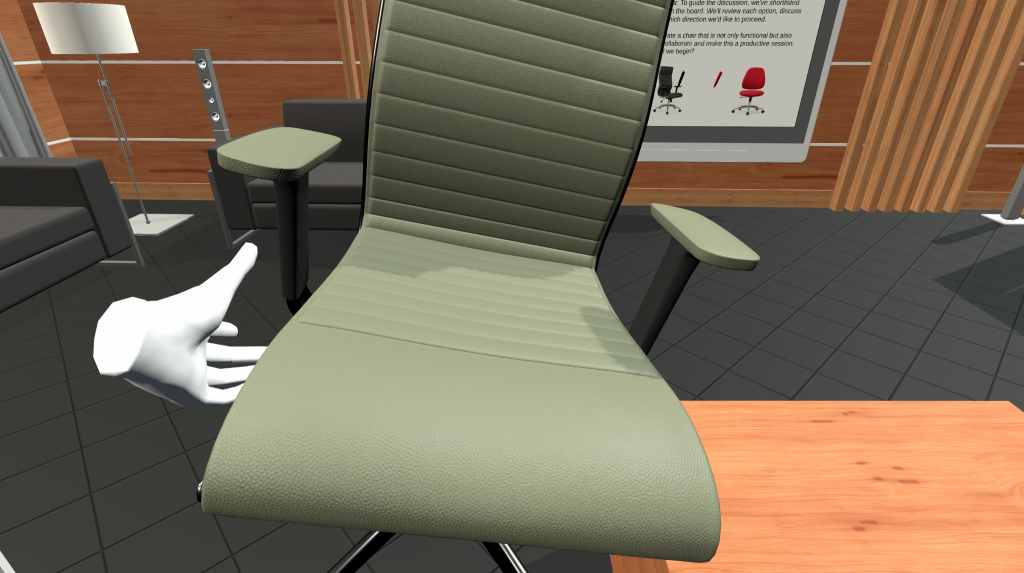
- modification of colors, materials, or configurations
- rotation, movement, and detailed inspection from any angle
- joint evaluation of design alternatives
This approach reduces the time and cost of physical prototyping, accelerating review cycles.
Reduced logistical costs and environmental impact
Immersive collaboration eliminates the need for in-person meetings, delivering tangible benefits:
- fewer international trips
- lower travel and accommodation costs
- reduced environmental impact
- greater availability of experts, who can participate without traveling
Organizations can optimize resources and increase the frequency of collaborative sessions.
Advanced technologies integrated into the experience
Holoportation: realistic remote presence
Holoportation enables the insertion of a three-dimensional representation of a remote participant into the virtual environment. The benefits are significant:
- a more natural sense of presence compared to standard avatars
- more effective non-verbal communication
- the ability for experts or stakeholders to participate “in person” without moving
- greater engagement and interaction quality
This technology makes collaboration more human and immediate.
Haptic gloves: physical interaction with virtual objects
The use of haptic gloves adds a crucial layer of realism to collaborative activities:
- tactile perception when manipulating 3D models
- greater precision in gestures, useful for technical or ergonomic evaluations
- the ability to simulate resistance, textures, or weight
- reduced gap between virtual prototypes and real products
The combination of VR and haptics allows teams to “touch” and evaluate objects that do not yet exist.
Artificial Intelligence as a facilitator
AI integration makes collaborative experiences smoother and more productive:
- assistance in managing the meeting (agenda, notes, summaries)
- support in manipulating 3D models
- contextual suggestions based on the discussion
- automatic analysis of proposals and generation of alternatives
AI becomes a facilitator that optimizes both time and decision quality.
The role of Vection Technologies
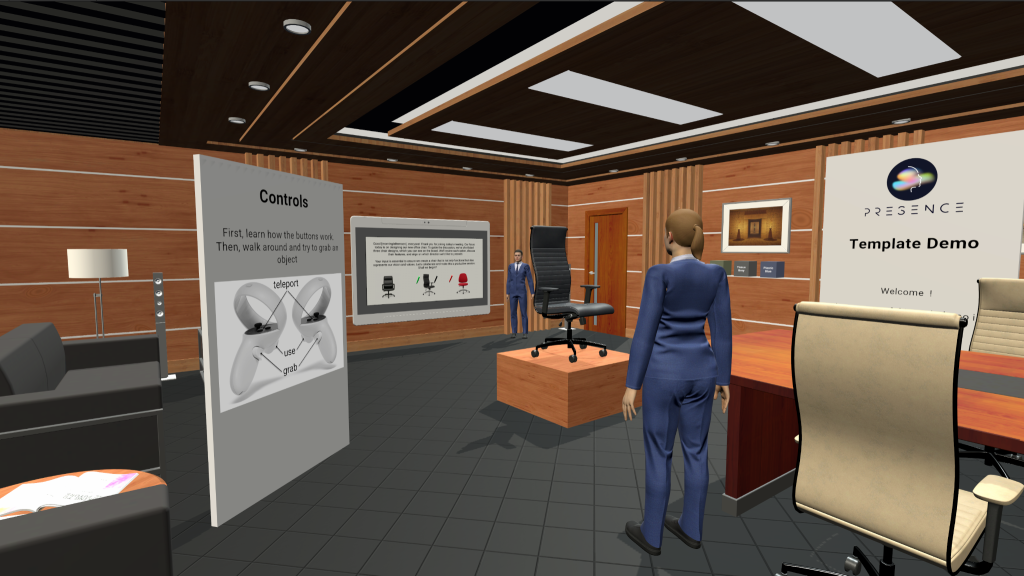
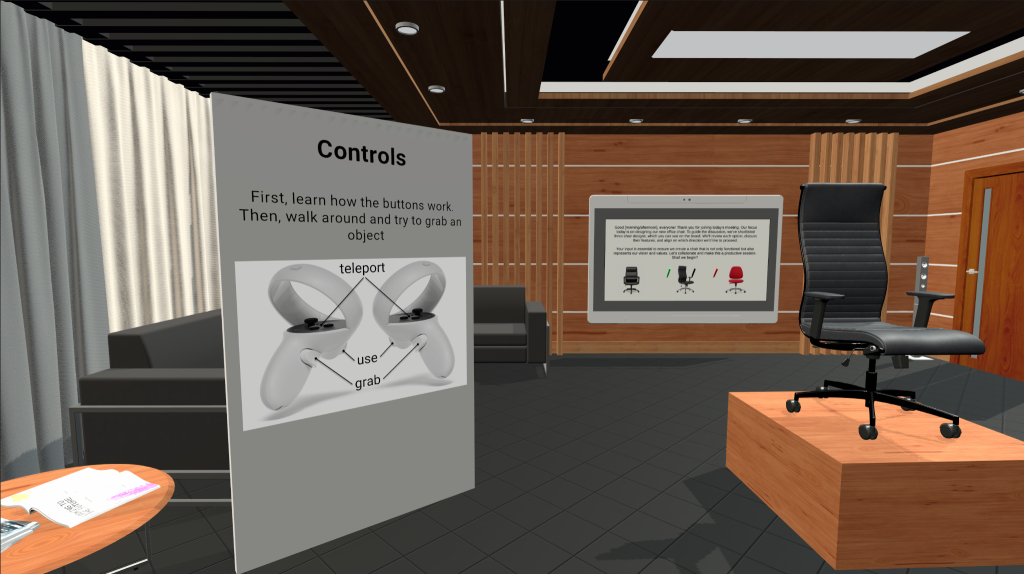
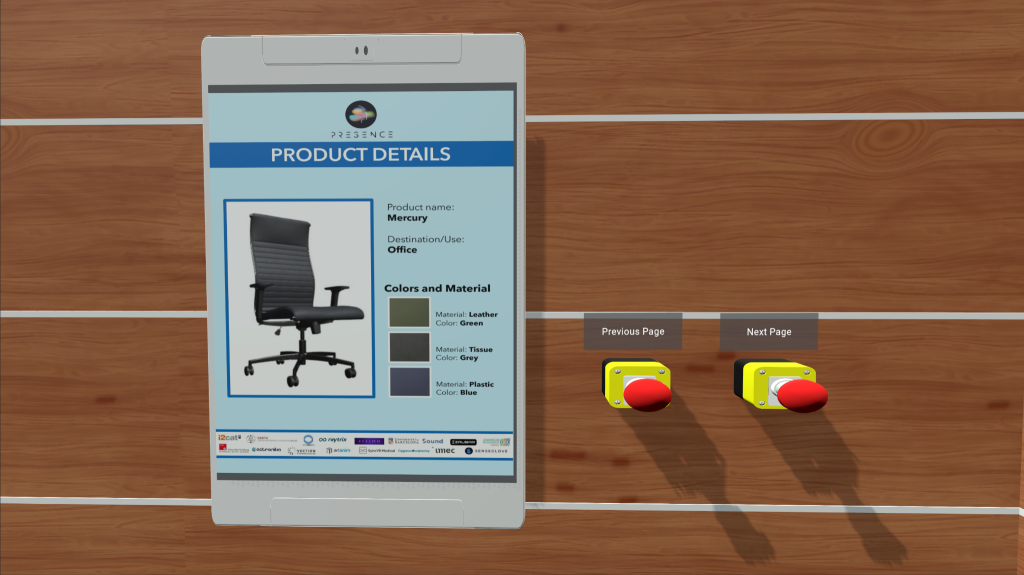
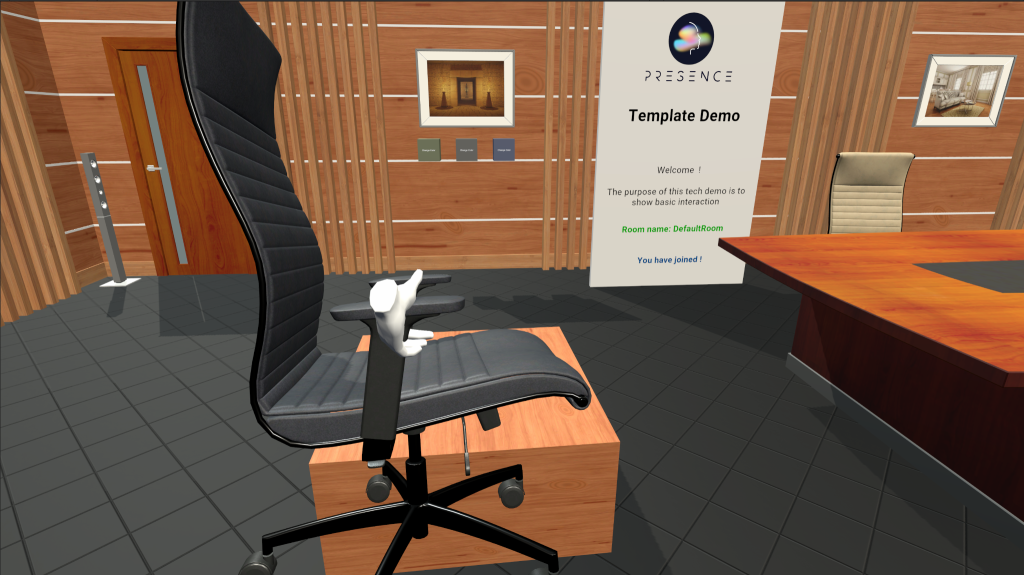
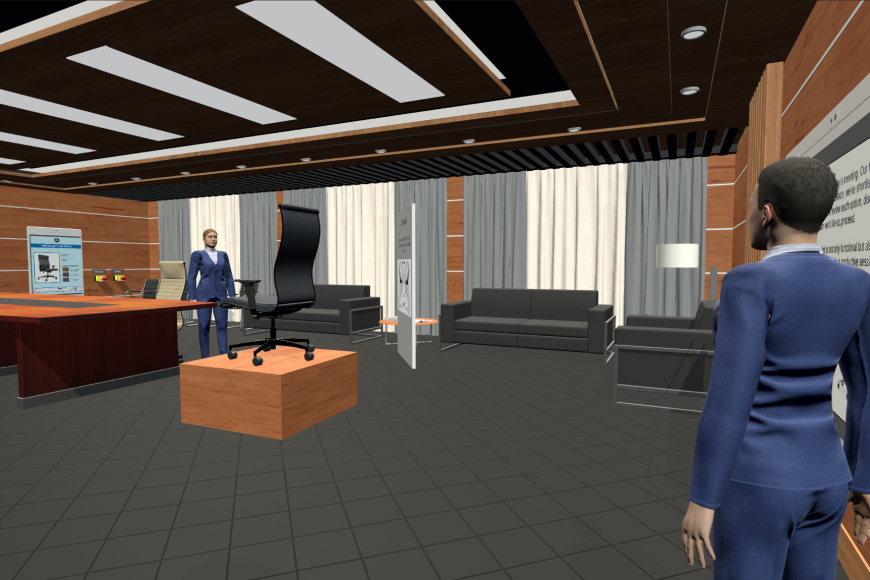
Within the PRESENCE project, Vection Technologies contributes a use case dedicated to immersive collaboration, demonstrating how Virtual Reality can transform the way teams design and make decisions. The company has developed a multi-user VR environment where a group of people can gather in the same virtual room to discuss and evaluate the design of a chair, analyzing its shape, proportions, and construction details.
Thanks to the ability to manipulate the full-scale 3D model, annotate changes, compare alternatives, and interact as in a physical meeting, the experience created by Vection shows how immersive collaboration can make the entire design process faster, more intuitive, and more engaging. This scenario highlights the value of XR as a concrete tool to improve communication, creativity, and the quality of design decisions.

Conclusion
Virtual Reality collaboration solutions represent a strategic evolution for organizations operating in complex, distributed, and design-intensive environments. The ability to bring people together from anywhere in the world in a shared, interactive, and immersive environment reduces costs, accelerates decision-making, and improves the quality of technical evaluations.
The integration of advanced technologies such as holoportation, haptic gloves, and Artificial Intelligence further amplifies the value of virtual collaboration, turning it into a concrete tool for innovating how teams design, discuss, and make decisions.
PRESENCE aims not only to improve technology, but to redefine the way we live, communicate, and work through digital innovation.